
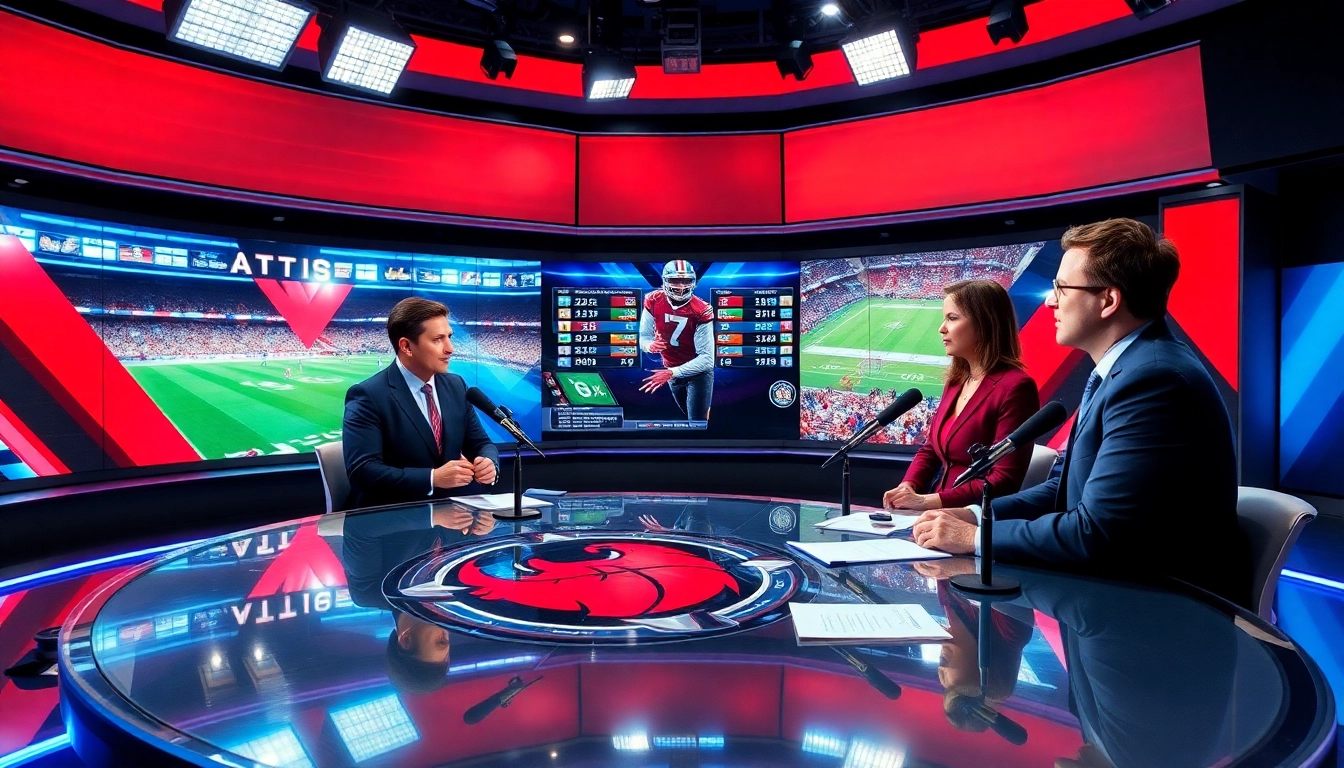
Understanding Sports Broadcasting
Definition and Key Components
Sports broadcasting refers to the dissemination of sports events through various media channels, including television, radio, and the internet. It encompasses several key components: live coverage, analysis, commentary, and audience engagement. At its core, sports broadcasting aims to deliver real-time sports content to fans, regardless of their location. This rapidly evolving domain integrates technological advancements to enhance viewer experiences. In recent years, Sports Broadcasting has diversified into various forms, catering to different audience preferences and consumption habits.
History of Sports Broadcasting
The inception of sports broadcasting can be traced back to the early 20th century when radio became a popular medium. The first major sports event broadcast was a boxing match in 1921, which opened the door to broadcasting various sports. The advent of television in the 1950s revolutionized sports broadcasting, introducing visuals to the narration of events. The 1980s saw the emergence of dedicated sports channels, followed by the internet boom in the 2000s, which shifted the focus to digital platforms and live streaming options. This historical evolution reflects the changing landscape and viewer preferences over the decades.
Current Trends in Sports Broadcasting
As consumer habits continue to evolve, several trends have emerged within sports broadcasting. Firstly, the shift towards digital and streaming services has gained traction, as viewers prefer on-demand content over traditional cable packages. Additionally, sports networks are implementing personalized content strategies, using algorithms to tailor experiences based on user preferences. Furthermore, the rise of esports broadcasting showcases the diversification of sports content, appealing to younger generations and expanding the industry’s reach.
Technology Impacting Sports Broadcasting
Live Streaming Innovations
Live streaming has transformed the way sports events are consumed. Enhanced internet speeds and technological innovations have made streaming more accessible, allowing fans to watch events in real-time on various devices. Many platforms now offer multi-angle viewing options, augmented audio experiences, and interactive features that enhance viewer engagement. This technological evolution supports the growing trend of cord-cutting, attracting audiences who prefer flexibility and user control over their viewing experiences.
Augmented Reality in Sports Broadcasting
Augmented Reality (AR) has begun to play a significant role in enhancing sports broadcasting. By overlaying digital information onto the live footage, broadcasters can provide viewers with additional statistics, player information, and instant replays in an interactive format. AR technology has potential applications in pre-game analysis, game-day experiences, and post-game evaluations. By delivering immersive and visually appealing content, AR can captivate audiences and elevate their viewing experience to new heights.
Analytics and Data Usage
Data analytics has become an indispensable tool in sports broadcasting. Broadcasters are utilizing vast amounts of data to enrich commentary and provide insights that were previously unavailable during live broadcasts. This includes player statistics, historical performance metrics, and predictive analysis for outcomes. By integrating real-time analytics into broadcasts, networks can enhance storytelling, provide competitive context, and keep viewers engaged throughout the event.
Challenges in Sports Broadcasting
Monetization and Revenue Streams
One of the primary challenges facing the sports broadcasting industry is monetization. While advertising remains a cornerstone revenue stream, broadcasters are increasingly exploring subscription models, partnerships, and pay-per-view options to diversify income sources. The integration of innovative advertising techniques, including targeted ads and sponsorship opportunities, is essential for maximizing revenue while ensuring viewers receive meaningful content.
Regulatory Considerations
Sports broadcasters must navigate complex regulatory environments that vary by region. Licensing agreements and broadcasting rights can complicate operations, especially for international events. Additionally, regulations surrounding gambling and privacy require broadcasters to remain vigilant and compliant. Adapting to changing regulations while maintaining a competitive edge is an ongoing challenge that demands strategic planning and flexibility.
Content Accessibility Issues
Ensuring content accessibility for all audiences remains a significant concern in sports broadcasting. The industry must address challenges related to language barriers, disabilities, and varying access to technology. Implementing closed captions, multiple language options, and user-friendly platforms can help broaden reach and enhance inclusivity. Thoughtful consideration of these factors is crucial for fostering a diverse and engaged viewership.
Best Practices for Effective Sports Broadcasting
Engaging the Audience
Engaging the audience is fundamental to successful sports broadcasting. Broadcasters should prioritize storytelling techniques that resonate with viewers, highlighting human interest angles, dramatic narratives, and player backgrounds. Interactive elements, such as viewer polls and live chat features, encourage participation and enhance emotional investment. Creating relatable experiences not only boosts engagement but also cultivates a loyal viewer base.
Utilizing Social Media
Social media platforms are invaluable tools for promoting and enhancing sports broadcasts. Broadcasters can utilize these platforms to share real-time updates, behind-the-scenes content, and engage with fans through live interactions. Effective content strategies on platforms like Twitter, Instagram, and TikTok can amplify reach and create a more connected community around specific events. Social media presence significantly contributes to listener retention and promotes discussions around the broadcasts.
Optimizing Broadcast Scheduling
Effective broadcast scheduling is crucial for maximizing viewership. Understanding audience viewing habits and preferences allows broadcasters to strategically time their broadcasts for peak engagement. Analyzing metrics from previous events can provide insights into optimal timings. Additionally, flexible scheduling that accommodates various time zones can help capture international audiences, thus expanding viewer bases significantly.
The Future of Sports Broadcasting
Predictions for Industry Growth
The future of sports broadcasting appears bright, with significant growth predicted in the coming years. As more viewers shift towards digital platforms, there will be an increased demand for high-quality, scalable content delivery methods. The integration of advanced technologies, coupled with ongoing trends in personalizing viewer experiences, will likely result in broader audience engagement and higher revenue potential.
Emerging Technologies on the Horizon
Emerging technologies such as artificial intelligence (AI), 5G, and virtual reality (VR) will redefine the sports broadcasting landscape. AI can optimize content delivery and enhance viewer experience through real-time decision-making tools, while 5G networks will enable ultra-fast streaming and more interactive features. VR will provide immersive experiences, allowing fans to feel as though they are part of the action, thereby changing the nature of engagement in sports broadcasting.
Adapting to Viewer Preferences
The ability to adapt to changing viewer preferences will be paramount for success in sports broadcasting. Continually gathering feedback and data about viewer habits will allow broadcasters to refine their offerings and remain competitive. Producing diverse content that caters to varying tastes and serves niche audiences can significantly enhance market reach and viewer satisfaction.
Frequently Asked Questions
What is sports broadcasting?
Sports broadcasting involves delivering live or recorded sports events via various media, such as television, radio, and online platforms. It includes live coverage, commentary, and analysis.
How has technology changed sports broadcasting?
Technological advancements have enabled live streaming, augmented reality, and data analytics, enhancing viewer engagement and providing deeper insights during broadcasts.
What are the key challenges in sports broadcasting?
Monetization, regulatory compliance, and ensuring content accessibility are significant challenges faced by sports broadcasters in an evolving landscape.
How can broadcasters engage audiences effectively?
Engaging audiences requires compelling storytelling, interactive features, and a strong social media presence to create a connected community around sports content.
What does the future hold for sports broadcasting?
The future of sports broadcasting is promising, with anticipated growth driven by digital platforms, emerging technologies, and a focus on personalized viewer experiences.